
Professional treatment programs and support groups can provide the necessary assistance for those struggling with after-work drinking turning into dependence and addiction. The National Institute on Alcohol Abuse and Alcoholism offers guidelines and resources for those seeking help. As workplace drinking culture comes under scrutiny, it becomes clear that alternative, more inclusive team-building activities should be explored to foster a healthy work environment.
The Recovery Village cherry Hill at Cooper
Our representatives are standing by around the clock to take your call. Make today count and take the first step towards a more fulfilling life. The longest running and most trusted source of information serving talent acquisition professionals.
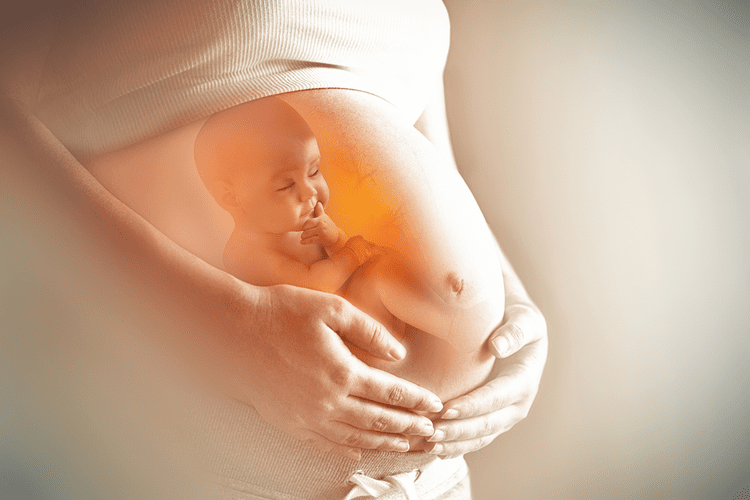
Studies have consistently shown a negative correlation between regular after-work drinking and job performance. The habit can lead to absenteeism, tardiness, reduced work efficiency and strained professional relationships, ultimately affecting overall workplace dynamics. Research indicates that this pattern of behavior not only decreases an individual’s work capacity but also burdens colleagues who may need to compensate for the reduced output. Furthermore, alcohol is recognized as a Group 1 carcinogen by the World Health Organization (WHO), implicating it in the development of several types of cancer, including but not limited to liver, breast and esophageal cancer. The mechanisms by which alcohol exerts its carcinogenic effects include the damage to DNA, the impairment of the body’s natural repair processes and the promotion of harmful chemical production within the body.

Cancer
Engaging in hobby clubs after work can enrich one’s social life, providing a remedy for loneliness and a platform to build meaningful relationships. These clubs serve as a gateway to cultural integration, especially for newcomers, helping them to understand and integrate into the local culture and community. However, the tradition is not without its drawbacks, as Japan’s notoriously long working hours and the concept of ‘karoshi,’ or death from overwork, are often linked to the pressures of maintaining such social work obligations. The earliest evidence of alcohol production dates back to Neolithic times, with discoveries such as fermented beverages in pottery vessels from Jiahu, China. This innovation in the Middle East and other regions led to the natural fermentation of grains and the creation of beer. He works as a welder in a factory permanent day shift and finished at 2pm, but instead of coming home he always goes to the pub for a few beers.
End Stage Alcoholism: Signs, Symptoms & Management
These are great ways to build bonds and connections while remaining sober. Some may even resort to drinking after work to avoid or numb their stresses back at home. As with all cases of life’s stresses, it’s important to manage them in a healthy way instead of resorting to drinking immediately. I’ve been really enjoying beer this past week since my bday, and after work I like to come home and maybe have 2 cans or so while hanging with friends online or relaxing with my wife. But a few small google searches and the alcoholic buzzword starts popping up and warning of how bad nightly drinks really are for you. Drinking after work is not the best way to relieve stress after a stressful workday.
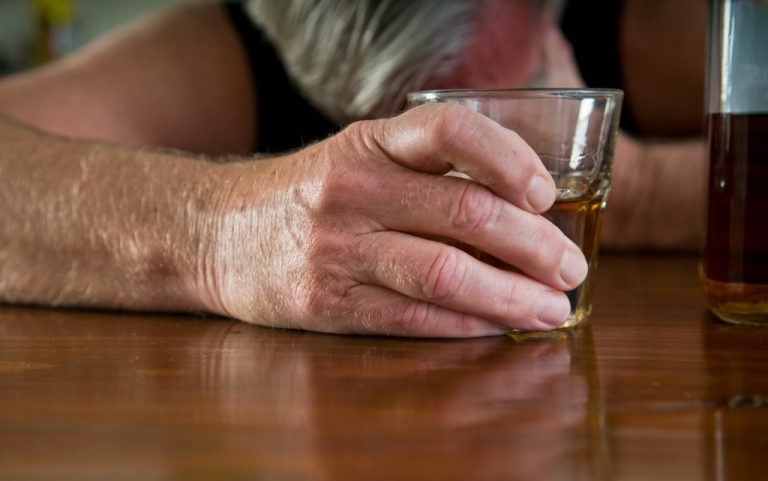
The relaxed atmosphere allows for the development of personal connections and the building of trust among team members. Regular beer, which is normally about 5% alcohol, about 8-9 ounces of a 7% alcohol beverage, 5 ounces of a 12% alcohol beverage (most wine), and 1.5 ounces of a 40% alcohol beverage (e.g., whiskey or gin). Understanding those can take some time and introspection of your current lifestyle and habits, which only you can answer. Drinking too much – on a single occasion or over time – can take a serious toll on your health. The whole body is affected by alcohol use–not just the liver, but also the brain, gut, pancreas, lungs, cardiovascular system, immune system, and more.
- Different types or brands of beer, wine, and spirits can contain varying amounts of alcohol.
- The Dietary Guidelines for Americans seem to echo this sentiment that moderate drinking is safe.
- But, mixing electrolyte powders into water or juice can help replace fluids and electrolytes lost.
- Part of this process involves replenishing electrolytes for healing and hydration.
Improves gut health
- He works as a welder in a factory permanent day shift and finished at 2pm, but instead of coming home he always goes to the pub for a few beers.
- The exact mechanisms behind this association are still being studied, but it is believed that alcohol damages DNA, impairs the body’s ability to repair damaged cells, and increases the production of harmful chemicals in the body.
- Minor dehydration typically doesn’t result in negative performance effects or symptoms, but moderate to severe levels can pose a risk.
- Excessive alcohol consumption has been linked to a range of long-term health problems.
- Nobody likes them and while they haven’t been that bad against me I can see where my other coworkers come from.
Electrolyte powders can also interact with certain medications like diuretics or blood pressure medications, potentially interfering with their effectiveness or causing harmful side effects. This is something else to consider if you are trying to manage calorie intake or blood sugar levels. Additionally, calcium, another electrolyte, is involved in blood clotting and bone health, which is essential to healing after exercise, injury, or surgery. This is why surgical patients are given intravenous (IV) fluids for efficient administration of electrolytes.
Mental Health Risks of Regular After-Work Drinking
The emotional labor required to navigate these dynamics can lead to further alcohol consumption, creating a detrimental cycle affecting both personal health and work performance. Regular after-work drinking has been identified to have a significant negative impact on both work performance and professional relationships. Research indicates a strong correlation between higher levels of alcohol consumption and higher levels of impaired work performance. Statistically, a positive association between these two factors is far more likely than a negative one, with a whopping odds ratio of 14.00, suggesting a compelling relationship between drinking habits and job efficacy (source).
Meet Healistic: The London Startup Delivering Prescriptions to Your Door in Under Two Hours
However, recent trends indicate a shift in attitude towards this practice, with a growing emphasis on health and the impact of alcohol on productivity and workplace relationships. Organizational cultures differ in how they manage social control of drinking norms. In https://live-mcclearart.pantheonsite.io/2023/11/28/10-myths-about-addiction-and-recovery/ some settings, mechanisms for social control are disabled, while in others, they are enabled, shaping the drinking behaviors of employees. The presence of liquor stores in certain communities, particularly among minority populations, can increase access to alcohol, influencing social drinking habits. Furthermore, cultural factors such as beliefs, attitudes, subjective norms, and expectancies about alcohol use play a critical role in shaping individual and group drinking behaviors.
For a person who drinks occasionally, this adaptation is distinct and temporary. But for a person who drinks heavily, the body adapts the majority of the time. Eventually, their tissue cells may become dependent on alcohol to function normally. A person with early-stage alcoholism may also exhibit a high tolerance to alcohol. Their tolerance may go unnoticed by everyone except the people they spend the most time with. “After a few months, the brain will begin to return to health,” says Dr. Abramowitz.
Short-Term and Long-Term Health Risk Of Alcohol
When it comes to the effect alcoholism symptoms on sleep patterns, alcohol consumption can disrupt the delicate balance necessary for a good night’s rest. While it may initially induce drowsiness and help you fall asleep faster, the quality of sleep is compromised. Alcohol interferes with the normal sleep cycle, preventing you from reaching the deep, restorative stages of sleep. As a result, you may wake up feeling groggy and exhausted, even after a full night’s sleep. This lack of quality rest can lead to daytime drowsiness, decreased productivity, and an increased risk of accidents, both at work and in other areas of your life.
Heavy drinking during the workweek contributes to a prevalence of alcohol-related health problems among workers, inevitably affecting the productivity of firms. A staggering 42% of workers admitted to having gone to work hungover or under the influence of alcohol, with 9% doing so in the past six months alone (source). Regular after-work alcohol consumption presents a risk not only to physical health but also to mental beer after work well-being. Alcohol, classified as a depressant, influences the brain’s neurotransmitter balance, impacting mood, thought processes, and behavior. Notably, it may induce feelings of relaxation in moderation, but excessive or prolonged use can lead to substantial mental health challenges, such as dependence, depression, and anxiety. It is essential to recognize that while moderate alcohol consumption may carry some cardiovascular benefits, the line between moderate and excessive is thin, and crossing it can lead to serious health consequences.